Source electrolytic tinplate sheet for packaging, containers, and tools
Source electrolytic tinplate sheet for packaging applications from 30 verified listings. Compare specifications including thickness, coating weights, and temper grades to find suitable industrial and food-grade materials for your manufacturing needs; compare the available evidence and request quotations based on your requirements.
Key considerations
Products List








Comprehensive Sourcing Guide
Electrolytic Tinplate Sheet for Packaging Sourcing Guide
Electrolytic tinplate sheets serve as a critical material for industrial packaging, particularly in the food and chemical sectors where corrosion resistance is paramount. Buyers must distinguish between general line packaging and specialized medical or container applications, as the material purity and coating thickness vary significantly based on end-use requirements. The observed product listings indicate a primary focus on square shapes with thicknesses ranging from 0.12 to 0.80 mm, which dictates the structural integrity and formability of the final container.
Procurement decisions should begin by verifying the specific temper grades, such as T1 through T5 or DR7 through DR9, which determine the hardness and ductility of the sheet. These mechanical properties are essential for high-speed can-making lines, ensuring the material can withstand deep drawing without cracking. Sourcing teams must align their technical requirements with the supplier's available temper ranges to prevent production delays or material failure during the manufacturing process.
Product Scope and Observed Listing Signals
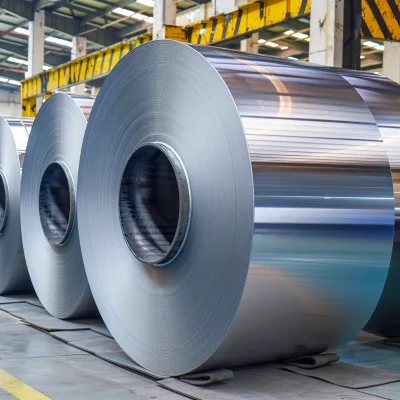
The market for electrolytic tinplate presents a diverse range of specifications, with observed listings showing coil weights between 2 and 8 tons and coil IDs of 508mm or 610mm. Buyers should note that while some suppliers offer stock availability, many operate on a non-stock basis with customized production runs, necessitating careful planning for lead times. The product origin is consistently identified as Shandong, China, which influences logistics costs and supply chain reliability for international buyers.
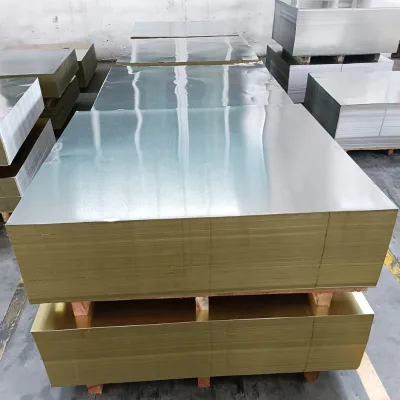
Listing signals also reveal variations in surface treatments, including bright, stone, matte, and silver finishes, which affect the aesthetic and functional properties of the final package. The selling units are often listed as single items, suggesting that bulk pricing structures may require direct negotiation rather than relying on standard catalog prices. Understanding these listing signals helps buyers anticipate the flexibility of the supplier regarding customization and the potential need for tailored packaging solutions.
Technical Specifications to Verify
Thickness and width are the primary technical parameters that must be validated against the specific needs of the packaging line. Observed data indicates thicknesses from 0.12 to 0.60 mm or up to 0.80 mm, with widths ranging from 600 to 1250 mm or customized to customer requirements. Buyers must confirm that the supplier can consistently maintain these tolerances, as deviations can lead to sealing failures or excessive material waste during the can-forming process.
Coating weights are another critical specification, with observed values such as 1.1/1.1, 2.8/2.8, and 5.6/5.6 grams per square meter indicating the amount of tin applied to each side. The choice of coating weight directly impacts the corrosion resistance and shelf life of the packaged goods, particularly for acidic food products or aggressive chemical contents. Verification of these coating levels ensures the material meets the durability standards required for the intended storage environment.
Compliance and Safety Documentation
Regulatory compliance is non-negotiable for packaging materials that come into contact with food or sensitive industrial products. The observed listings frequently cite ISO 9001-2008 and ISO certifications, alongside RoHS compliance, which are essential for demonstrating adherence to international quality and environmental standards. Buyers should request current certificates to verify that the supplier's quality management systems are active and that the materials do not contain restricted substances.
In addition to general certifications, specific standards such as AISI, ASTM, BS, DIN, GB, and JIS provide the technical framework for material performance. While some background standards like ASTM A623 or JIS G3303 are relevant to the category, buyers must ensure the supplier explicitly confirms compliance with the specific standard required for their application. Documentation should also cover the annealing process, whether Ba or Ca, as this affects the microstructure and safety of the final product.
Cost Drivers and Commercial Terms
The pricing of electrolytic tinplate is influenced by raw material costs, coating thickness, and the complexity of customization. Observed price ranges in the market span from 400 to 1149 USD, though these figures likely represent specific configurations rather than a universal baseline. Buyers should be aware that the minimum order quantity (MOQ) can vary widely from 1 to 1500 units, significantly impacting the unit cost and the feasibility of small-batch procurement.
Commercial terms such as EXW, FOB, CIF, and CFR define the responsibilities for shipping and insurance, which directly affect the total landed cost. The choice of trade term determines who bears the risk during transit and who manages the logistics, requiring a clear understanding of the buyer's internal capabilities. Negotiating these terms alongside the MOQ and customization requirements is essential for optimizing the overall procurement budget and supply chain efficiency.
Supplier Qualification and Quality Control
Supplier qualification extends beyond basic certifications to include the capability for consistent production and reliable delivery. The observed product origin in Shandong, China, suggests a concentration of manufacturing expertise, but buyers must verify the specific production facilities and their capacity to handle custom orders. The availability of customization is a key differentiator, allowing suppliers to adapt the product to unique shape, size, or coating requirements.
Quality control processes should be rigorously evaluated, with a focus on surface treatment consistency and edge quality, such as slit edges. The supplier's ability to provide test results for purity levels, which are observed to be greater than 98% or 99.99%, is crucial for ensuring material integrity. Buyers should establish clear acceptance criteria for these quality metrics to prevent the receipt of substandard materials that could compromise the final packaging performance.
Long-Term Procurement Checks
Sustaining a successful procurement relationship requires regular audits of the supplier's ability to maintain quality and delivery schedules over time. Buyers should monitor the consistency of the product model, such as SPCC, MR, or SPCH, to ensure that the material specifications remain stable across different production batches. Long-term checks also involve verifying that the supplier continues to meet the evolving regulatory requirements of the target market.
Finally, the evaluation of the supplier's response to market fluctuations and their ability to scale production is vital for long-term stability. The observed stock status, ranging from not in stock to available stock, indicates the need for a flexible supply strategy that can adapt to demand changes. Establishing a partnership based on transparent communication and shared quality goals will mitigate risks and ensure a reliable supply of electrolytic tinplate for ongoing packaging needs.
FAQs
What thickness options are available for electrolytic tinplate sheet for packaging?
Thickness ranges from 0.12 to 0.80mm depending on the specific grade and application requirements. Common models include SPCC, MR, and SPCH, allowing for precise selection based on structural needs. This flexibility ensures optimal performance for various industrial and container packaging applications while maintaining material integrity.
Can electrolytic tinplate sheet for packaging be customized for specific dimensions?
Yes, customization is available for length, width, and coating specifications. Standard widths range from 600 to 1250mm, with lengths up to 2440mm or as required. Coil IDs are typically 508mm or 610mm, and weights vary from 2 to 8 tons, ensuring tailored solutions for diverse production lines.
Which certifications apply to electrolytic tinplate sheet for packaging products?
Products typically hold ISO, ISO9001-2008, SGS, and RoHS certifications. These standards ensure compliance with international quality and safety requirements. Such documentation supports global trade and verifies that the material meets rigorous industrial and medical application standards, providing confidence in supply chain reliability and product consistency.
What surface treatments are offered for electrolytic tinplate sheet for packaging?
Surface treatments include bright, stone, matt, and silver finishes, all coated for protection. Tin coating weights vary, such as 1.1/1.1 or 5.6/5.6, to suit different corrosion resistance needs. These options enhance aesthetic appeal and functional durability, making the material suitable for food cans and general line packaging.
How is electrolytic tinplate sheet for packaging packed for export?
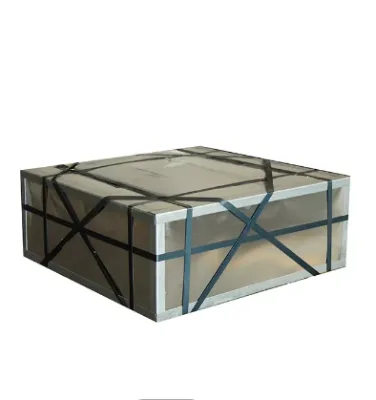
The material is packed using export standard packaging to ensure safe transit. This method protects the sheets from damage during shipping and handling. The packaging is designed to maintain the integrity of the cold-rolled steel and tin coating, ensuring that products arrive in optimal condition for immediate industrial use or further processing.
What are the standard applications for electrolytic tinplate sheet for packaging?
Applications include food cans, industrial cans, and general line packaging. The material is also used for chemical containers and medical applications due to its high purity and corrosion resistance. Its versatility supports various industrial uses, ensuring that the packaging meets specific functional and safety requirements across different sectors.